
landnpop
What a Singapore pop-up weekend costs, all in
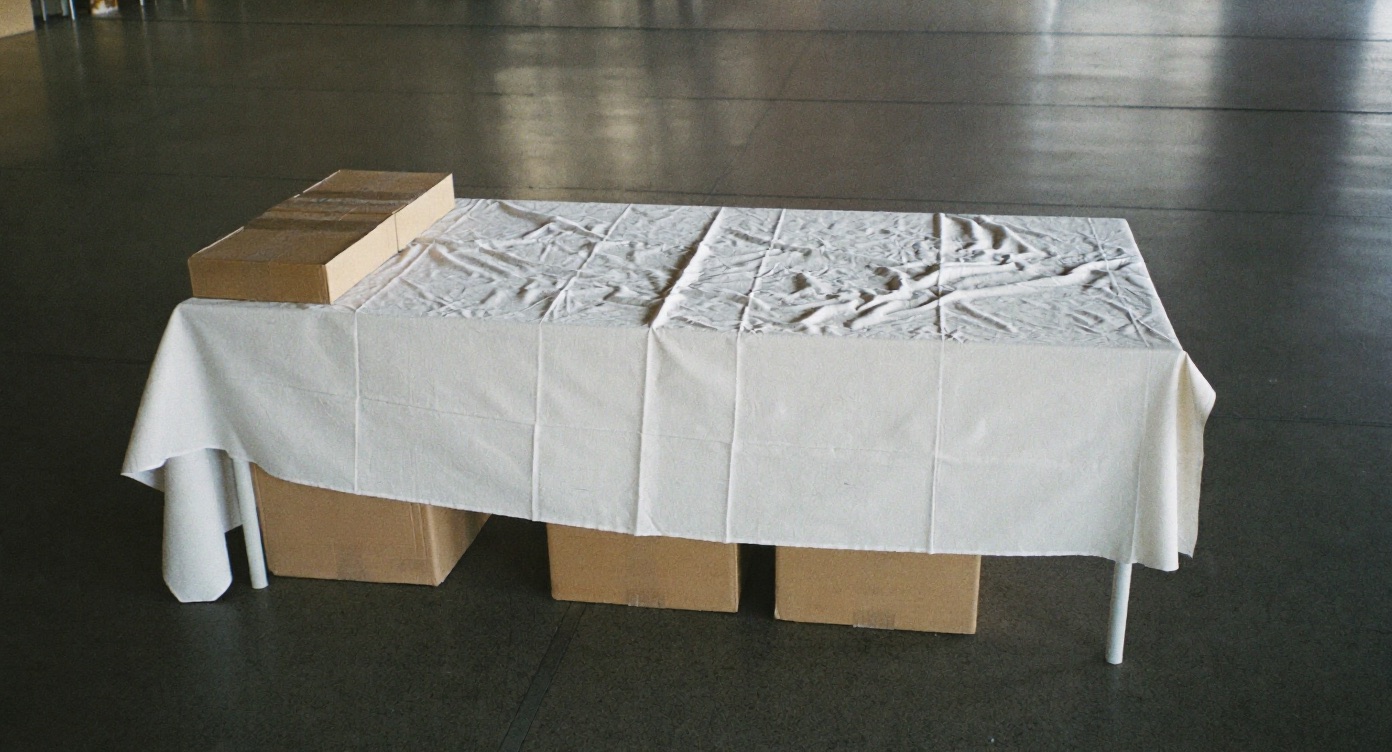
Booth fees at Singapore pop-up markets start around S$30 for a day at a craft market. A weekend on Orchard Road starts near S$975, and the curated fairs and festivals run higher again. Founders anchor on the low number, budget for it, and then get surprised by everything sitting behind it.
Here is the whole weekend, priced.
The booth
The range is wide because the markets serve different purposes.
Crafters Singapore and Fleawhere sit at the bottom, roughly S$30 to S$80 for a slot. Open application, fast turnaround, mixed footfall. Makers' Market runs across shopping-mall sites from around S$48.
Curated markets like Me-You Market at Suntec disclose their rate only on acceptance and select on brand fit. You apply, and getting in carries weight with the crowd they attract.
Night at Orchard starts near S$975 for a weekend on the walkway outside Ngee Ann City. That is a floor, not a ceiling. Boutique Fairs at the F1 Pit Building quotes on request and accepts overseas brands, with conditions attached about whether you already sell in Singapore.
Above the weekend circuit sit the festivals, and they are a different order of money. A shared booth at the Singapore Muslim Festival starts around S$1,200, with retail units nearer S$2,500. Treat S$975 as the top of what you can book by filling in a form, not as the top of the market.
Check what the fee includes before you compare two numbers. Some organisers give you a table, a chair and a power point. Others give you floor space and a chalk outline.
Compliance, if you sell beauty
If you sell fashion, skip this section. There is no equivalent step for apparel, and that is the reason a fashion label can be standing at a Singapore market weeks after deciding to go, while a skincare brand is still planning.
For cosmetics, selling in Singapore without a Responsible Person and an HSA notification is not legal, and this is the line item founders discover last.
The HSA fee itself costs S$13 for most products, S$28 for eye-area, lip and oral products. Acknowledgement arrives in minutes.
The work around it costs more and takes weeks. A Responsible Person service quotes per SKU. Your Indonesian packaging needs the RP's Singapore name and address added, so budget an over-label run or a Singapore print job. If you sell whitening or brightening products, expect a request for lab results before anyone agrees to act as your RP.
Start this six to eight weeks before the market. The filing is fast. The labels are not.
Getting stock there
Jakarta to Singapore is a short lane. A few cartons by air arrive in one or two days. Courier works for small volumes with the simplest paperwork.
Fragrance changes the maths. Alcohol-based perfume classifies as dangerous goods for air freight under UN1266, which means surcharges and a forwarder certified to handle it. Plenty of brands ship fragrance by sea to avoid the air-DG premium, which adds a few days.
Singapore charges no import duty on cosmetics. You pay 9% GST on the CIF value, and you get it back only if your entity is GST-registered.
Then decide where the unsold stock goes before you fly. Singapore 3PL storage runs roughly S$30 to S$80 per pallet per month, and that beats paying DG-rated freight to bring perfume home.
Being there
Two flights and two or three nights of accommodation, or one of each if you go alone. Singapore hotels price high on weekends.
Work status deserves a proper look before you book anything. Singapore's Ministry of Manpower publishes a list of work-pass-exempt activities, and the exhibition exemption excludes temporary fairs. A founder flying in to staff her own booth may need a pass. Check your specific event against MOM's current list rather than assuming a weekend is too short to matter.
Local staff cost less than flights and remove the question. Rates vary and organisers often keep a list.
The booth kit
Small numbers that add up. A tablecloth, risers, a printed sign readable from three metres, price cards, bags, tissue. A card reader and a power bank. A PayNow QR printed large, because Singaporeans pay by QR and a stall without one loses sales.
Most brands spend a few hundred Singapore dollars here on the first outing and reuse almost all of it.
Putting it together
A cheap first weekend at a craft market, shipping a few cartons, sending one person, lands somewhere in the low four figures in Singapore dollars once flights and compliance are counted.
A curated market with a bigger booth, more stock and two people lands several times higher.
Either way the booth fee makes up a minority of the total. Founders who budget for the booth and nothing else find that out in the second week, when the RP quote arrives.
What you get for it
Revenue over two days, which rarely covers the trip on a first outing.
Then the part worth paying for. You watch strangers handle your product. You learn which SKU they reach for, which price makes them hesitate, and which question they ask that your packaging fails to answer. You leave with a contact list of people who bought.
Budget it as research and the arithmetic holds. The revenue works as a rebate on the cost of finding out, and a first weekend that breaks even has done well.
Talk to us about selling here Free, and we go through what to bring, where to sell it first, and what it costs.
Sources: organiser vendor packs and published rates, HSA fees, IRAS import GST, MOM work-pass-exempt activities. Booth fees move. Confirm with organisers before budgeting.
Keep reading
- Five Singapore markets say foreign brands may apply. The rest never say.We read every organiser we could find. Exactly five state it in writing. The rule that stops most founders applying turns out to be copy-paste boilerplate.
- The Muslim-lifestyle circuit runs all year, not just at RayaFounders plan one season and compete with everyone else who did the same. We read the organisers' published calendars, and four of the best-fitting events sit outside February and March.
- Singapore is where you charge more. Just not in Jakarta.Founders cross the strait hoping a Singapore listing lifts their price at home. It lifts the price on the Singapore shelf instead — and that increase is spent before you ever see it.
Thinking about Singapore for your brand?
Start with a Market Entry Brief: a free conversation about what to bring, where to sell it first, and what it costs.